



Foot Crack Cream: A Comprehensive Guide to Caring for and Treating Cracked Heels
Cracked Heels: A Complete Guide to Foot Crack Cream and Heel Care
Cracked heels are one of the most common skin issues that many people experience. These cracks not only affect the appearance of the feet but can sometimes cause pain and discomfort as well. Using a foot crack cream is one of the most effective methods for treating and preventing heel cracks. In this article, we will explore the causes of cracked heels, care methods, and tips on how to properly use foot creams.
1. Causes of Cracked Heels
Heel cracks usually occur due to dry skin and reduced elasticity. Some of the most common causes include:
Dry skin: Lack of moisture makes the skin of the soles brittle and prone to cracking.
Increased pressure on the feet: Excess weight or standing for long periods puts pressure on the heels and soles, causing the skin to crack.
Improper footwear: Wearing tight shoes or shoes without proper ventilation leads to friction and dryness.
Medical conditions: Disorders such as diabetes and hypothyroidism can contribute to dryness and cracked heels.
Age: As we age, the skin loses elasticity and becomes more prone to cracking.
2. Importance of Using Foot Crack Cream
Foot crack creams contain moisturizing and repairing ingredients that can:
Soften dry and cracked skin
Support the regeneration of the skin’s protective barrier
Reduce pain and discomfort caused by heel cracks
Prevent potential infections
Key ingredients found in foot crack creams include urea, shea butter, natural oils, and vitamin E. These components nourish, soften, and repair damaged skin.
3. Foot Care Steps Before and After Applying Cream
3.1 Washing and Cleaning the Feet
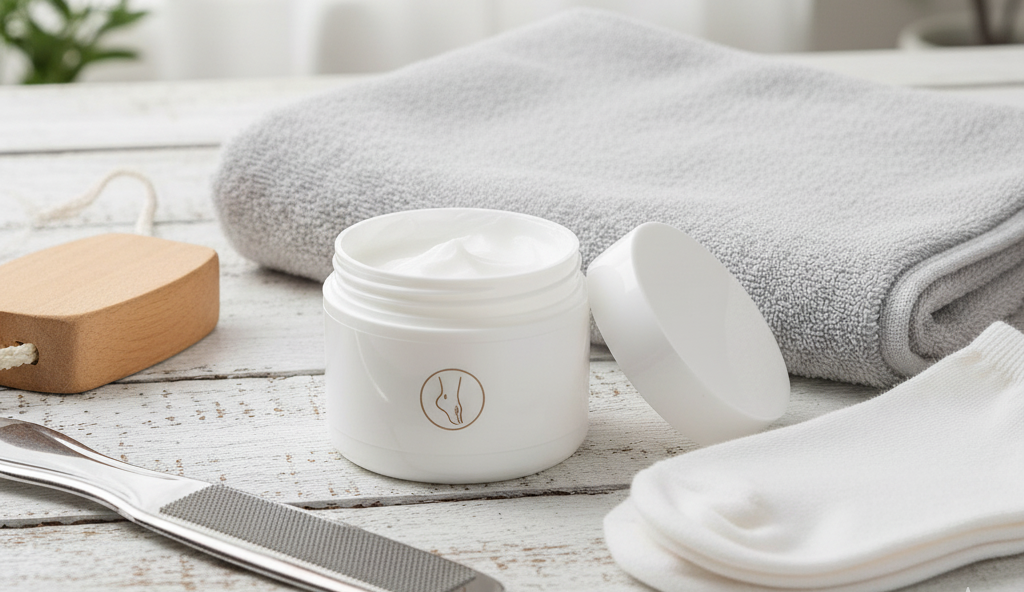
Before applying the cream, wash your feet with lukewarm water and a mild soap, then dry with a soft towel. This prepares the skin to better absorb the cream.
3.2 Gentle Exfoliation
Using a pumice stone or a soft exfoliating tool helps remove dry, rough skin on the heels, allowing the cream to penetrate more effectively. Avoid applying too much pressure to prevent skin damage.
3.3 Applying Foot Crack Cream
Apply a small amount of cream to the cracked and dry areas of the heels and gently massage until fully absorbed.
For best results, use the cream twice daily—morning and night.
Wearing cotton socks after applying the cream at night helps retain moisture and enhances the cream’s effectiveness.
4. Additional Tips to Prevent Cracked Heels
Keep skin hydrated: Drinking enough water helps maintain skin moisture.
Wear proper footwear: Choose comfortable shoes with good ventilation and proper heel support.
Moisturize regularly: Even if you don’t have cracks, daily use of foot moisturizers is recommended.
Avoid drying soaps: Strong soaps can further dry out the skin.
Consult a doctor when necessary: If cracks are severe or accompanied by pain and bleeding, medical advice is essential.
5. Recommended Ingredients in Foot Crack Creams
Some of the most effective and scientifically supported ingredients in foot crack creams include:
Urea: Softens dry skin and helps repair cracks.
Shea butter and cocoa butter: Natural moisturizers that protect the skin.
Plant oils: Such as argan oil and almond oil, which nourish and help heal the skin.
Vitamin E: A strong antioxidant that supports skin repair and protection.
Conclusion
Cracked heels are a common yet treatable condition. By following proper foot care tips, consistently using foot crack creams, and maintaining skin hydration, you can gradually reduce heel cracks and improve overall foot health. With the right cream and a regular routine, you can achieve smooth, healthy, and crack-free feet.